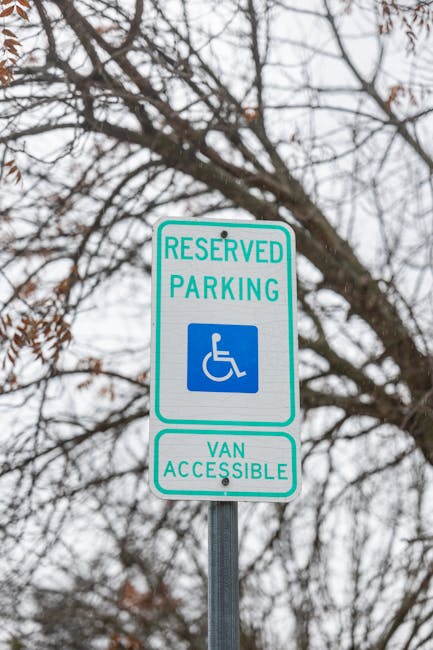
Permit rules for Grove Park moving vans -- avoid fines
Posted on 18/06/2026
If you are planning a move in Grove Park, the last thing you want is a van sitting awkwardly in the wrong place while a warning notice is tucked under the windscreen wiper. That sort of stress tends to arrive at exactly the wrong moment, usually when boxes are stacked in the hallway and everyone is already a bit frazzled. This guide explains the permit rules for Grove Park moving vans -- avoid fines, with a clear, practical focus on what usually matters on moving day, what can go wrong, and how to stay calm and compliant.
The reality is simple: moving vans often need some kind of parking plan, loading arrangement, or local permission depending on the road, timing, and vehicle size. Get it right and the day feels smoother. Get it wrong and you can end up paying for it, literally. Below, you will find a straightforward breakdown, plus a checklist, a comparison table, and a few real-world moving scenarios that make the rules easier to picture.
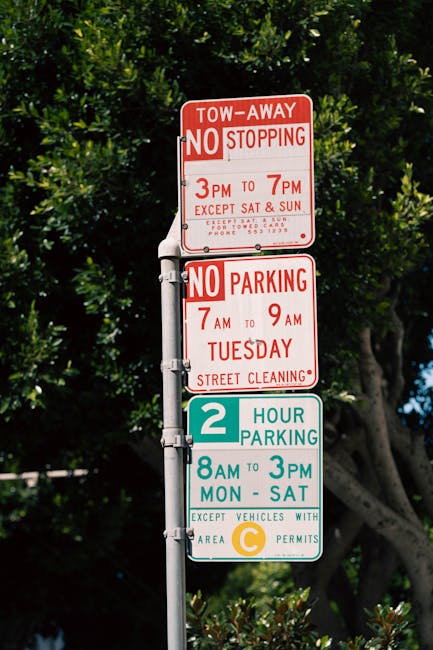
Why Permit rules for Grove Park moving vans -- avoid fines Matters
Parking and loading rules are not just red tape. They shape whether your van can stop where you need it, how long it can stay there, and whether the move can happen without conflict with neighbours, traffic flow, or local restrictions. In busy parts of Grove Park, even a short stop can become a problem if the vehicle blocks access, sits on a restriction line, or ignores a loading limit. That is where avoidable fines creep in.
And to be fair, fines are not the only risk. A badly planned stop can delay the whole move. Lift crews may have to carry items further than expected, fragile goods spend more time exposed to the weather, and the whole day can start to unravel. If you have ever heard a driver mutter, "I should have checked that earlier," you will know the feeling. It is not a good one.
Permit planning also matters because moving days often involve more than one moving part: a tall sofa, a mattress, maybe a piano, maybe a freezer that needs careful handling. A van that can park legally and close enough to the property helps reduce damage and strain. For that reason, a good move is usually a coordinated one. A parking solution, smart packing, and sensible lifting all work together. For more on the handling side of things, you may find this stress-free moving day guide useful alongside this article.
How Permit rules for Grove Park moving vans -- avoid fines Works
In practice, the process usually comes down to three questions: where will the van wait, how long will it stay, and does that location allow the van to be there at that time? Some streets allow short loading only. Others have restrictions during school run hours, rush periods, or controlled parking times. In a few cases, a formal parking suspension, dispensation, or other local permission may be needed. The exact requirement depends on the location and the nature of the move.
That means there is no one-size-fits-all answer. A narrow residential road near Grove Park Station will not behave the same way as a wider street with easier access. A flat move on a busy road may need a tighter loading plan than a house move on a quiet cul-de-sac. If there is limited space, the permit or permission question becomes more important, not less.
Usually, the practical workflow looks like this:
- Check the street and parking conditions around both the pickup and drop-off addresses.
- Work out whether the van can stop legally for loading or unloading.
- Confirm whether time-based restrictions apply.
- Allow for the size of the van and the number of vehicles involved.
- Build in a little buffer time, because moving never happens exactly on script.
If your move involves larger items, fragile pieces, or a tight schedule, it is wise to treat parking as part of the move plan, not an afterthought. A useful example is a piano move: the vehicle needs to be close enough for safe handling, and the route from van to property has to stay practical. Our piano transportation advice explains why access and safety matter so much when items are heavy and awkward.
Key Benefits and Practical Advantages
Sorting permit rules early gives you more than compliance. It gives you breathing room. That matters on moving day, when every extra minute feels louder than it should.
- Lower fine risk: You reduce the chance of parking penalties, loading tickets, and awkward enforcement surprises.
- Better time control: The van can load and unload with fewer delays.
- Safer handling: Shorter carrying distances make lifting easier and reduce the risk of knocks and drops.
- Less neighbour friction: A well-managed move tends to create less disruption on the street.
- Less last-minute scrambling: You are not trying to solve access problems while the clock is ticking.
There is another advantage that people overlook. Good permit planning makes the rest of the move easier to coordinate. If you know where the van can stop, you can decide how boxes are grouped, whether furniture should be dismantled first, and how many helpers you need. That often saves more time than people expect.
It also supports a cleaner overall move. If you are decluttering before the van arrives, you will want enough space and timing to get everything out efficiently. For a sensible pre-move sort-out, have a look at smart decluttering steps for movers. It pairs nicely with the parking side of planning, because less clutter usually means fewer trips and less pressure on the van stop.
Who This Is For and When It Makes Sense
Permit rules matter for more people than you might think. If you are using a moving van in Grove Park, you should assume access and parking need checking unless you already know the street well.
- Home movers: Whether it is a house, flat, maisonette, or shared property, moving vans often need a clear loading point.
- Students: Smaller moves still run into parking restrictions, especially near busier roads and transport links.
- Office movers: Commercial moves can involve time-sensitive access and multiple vehicles.
- Urgent movers: Same-day relocations leave less time for mistakes, so a parking plan becomes even more important.
- Anyone moving bulky items: Sofas, fridges, beds, and pianos create more loading pressure and may need closer access.
If you live in a flat, the issue can be even more noticeable. Stairs, lifts, and restricted outside space all pull in the same direction: you need the van as close as possible for as long as allowed. That is why flat movers often benefit from planning the route from street to front door in detail. A practical local example is discussed in these flat move tips for Grove Park, where access and timing tend to do a lot of the heavy lifting.
Sometimes a permit is not needed at all. Sometimes a short loading window is enough. And sometimes the correct answer is to use a specialist moving plan because the street layout or restrictions make the simple option unrealistic. The key is to decide early, not on the morning itself. Morning of the move is too late. Really, it is.
Step-by-Step Guidance
1. Check both addresses before you book the van
Start with the basics: look at the pickup street, destination street, and the route between them. Think about road width, double yellow lines, resident bays, narrow turns, and whether the van can safely stop near the building entrance. A minute of checking now can save a lot of swearing later. There, I said it plainly.
2. Identify loading and waiting constraints
Ask whether the vehicle can legally load/unload at each address, and whether there are time windows when this is allowed. Do not assume that because a road looks quiet, it is unrestricted. Quiet-looking streets can still have parking controls, which is a classic trap.
3. Factor in the van size
A smaller van may fit where a larger one cannot. That sounds obvious, but it changes the permit question a lot. If the load is modest, using the right-sized van may avoid unnecessary parking headaches. If the load is large, you may need a more formal access plan.
4. Build the schedule around access, not just around packing
People often schedule the move around when they finish packing. Fair enough. But the better approach is to schedule around the access window. If loading is easiest early in the day, then start early. If the street becomes harder to use later, do not leave the crucial first load until after lunch.
5. Confirm any local permission before moving day
If a parking suspension, dispensation, or other arrangement is required, sort it in advance. Keep notes of any approval, dates, or reference details. Even if you never need to show them, having them ready can make the day smoother if questions come up.
6. Prepare the property for fast loading
Clear corridors, lift large items first if possible, and stage boxes by room. This is where good packing really pays off. If you want ideas on reducing chaos before the van arrives, these packing techniques can help keep the loading flow tidy and efficient.
7. Re-check the plan on the morning itself
Roadworks, weather, temporary signs, or a neighbour's builder's skip can change the picture overnight. A quick re-check on the morning of the move is worth doing. It is one of those small habits that sounds boring and saves a headache. Best kind of habit, really.
Expert Tips for Better Results
After enough moves, a pattern becomes obvious: the best outcomes usually come from reducing uncertainty. That is the real expert tip. Not heroics. Not rushing. Just reducing the number of unknowns.
- Choose the closest legal stopping point, not the most convenient-looking one. Convenience can be misleading if it risks enforcement.
- Use one person to keep an eye on the vehicle. On busy moving days, somebody should be thinking about the van at all times.
- Keep essential paperwork and keys accessible. No one enjoys rummaging through a taped box for a lease key.
- Use smaller carry loads if the access route is tight. Two light trips beat one awkward, risky one.
- Protect the timing margin. Give yourself a buffer if the move involves stairs, long carries, or shared access.
A useful practical point: the more awkward the item, the more valuable close van access becomes. A sofa wrapped in a hallway blanket still needs a sensible route. A freezer should not be dragged further than necessary. If you are storing or shifting larger appliances during a move, this guide on safe freezer storage during downtime is a good companion read.
And if you are moving a bed, mattress, or frame, access matters in a different way. You want the carry path short, dry, and free of clutter, especially if the weather turns damp. A slick pavement at 8 a.m. can turn a simple job into a clumsy one very quickly. For that kind of move, this mattress relocation guide is a handy reference.

Common Mistakes to Avoid
Most permit-related fines happen because of assumptions. People assume a short stop is harmless. They assume a quiet road means a free road. They assume the van driver "will know what to do." Sometimes they will. Sometimes they will not. Best not to gamble on it.
- Leaving parking checks until the morning of the move
- Choosing a van that is too large for the street
- Ignoring timed restrictions near schools, stations, or busier routes
- Assuming loading is always allowed just because unloading is quick
- Blocking access while waiting for helpers or keys
- Not keeping proof of any agreed permission or arrangement
Another mistake is forgetting that the move affects more than the van. If the property is packed but access is poor, the move slows down. If access is good but the items are badly packed, the van becomes a holding pen for chaos. The two things need to work together. A tidy loading strategy and a tidy packing strategy are much better than either one on its own.
Tools, Resources and Recommendations
You do not need a mountain of kit to handle permits well. You need a few practical habits and the right planning tools in your head, or on paper if you prefer that old-school feeling.
- Street photos: Take pictures of both addresses so you can assess width, signage, and access later.
- Move notes: Write down the expected loading time, van size, and any restrictions you spot.
- Floor plan or room list: Helps you stage items in the right order.
- Box labels: Makes it easier to load and unload without blocking access.
- Padding and wrap: Helps if the carry route is longer than planned.
In a local move, route awareness matters too. If your moving day overlaps with commuter traffic or station-side congestion, it can change how long a stop takes. A good example is a move near rail-linked streets, where timing can be the difference between a smooth load and a very annoying wait. You might also find this commuter-focused move checklist helpful if your route crosses busier travel times.
For bulky waste, old furniture, or items you are not taking with you, the permit conversation can overlap with disposal planning. If you leave unwanted items outside at the wrong time, that can create another problem entirely. This article on bulky waste removal options and costs is useful when you are deciding what should go, what should stay, and what needs proper handling before the van arrives.
Law, Compliance, Standards, or Best Practice
For moving vans, compliance is usually a mix of parking rules, local street controls, and sensible road safety practice. Exact requirements can vary by street and situation, so it is better to treat the moving plan as a compliance exercise rather than a guesswork exercise.
Best practice usually includes the following:
- Do not park where restrictions are clearly signed, even if the stop is brief.
- Keep loading activity efficient and avoid unnecessary blocking.
- Use the right-sized vehicle for the job where possible.
- Protect pedestrians, especially on narrow pavements and shared access routes.
- Follow any property or building access rules, including lift bookings or loading dock arrangements.
There is also a safety side to compliance. Heavy lifting, awkward angles, and poor access increase injury risk, and that affects everyone. If you are handling the move yourself, it makes sense to read practical guidance like solo lifting safety tips and kinetic lifting advice so the physical side of the move does not become the weak link.
When a move involves specialist items, compliance is even more important. Piano removals, for example, need careful handling, stable access, and a route that does not force the team into risky manoeuvres. You can see why this matters in our piano removals service information and related guidance. The less improvisation you need on the day, the better.
Options, Methods, or Comparison Table
Not every move needs the same solution. In Grove Park, you may be deciding between a short loading stop, a more formal permission, a smaller van, or a later move time that avoids the busiest stretch. The right choice depends on the street and the pressure points of the move.
| Option | Best for | Pros | Watch-outs |
|---|---|---|---|
| Quick legal loading stop | Quiet streets with brief access needs | Simple, fast, low admin | Only works if restrictions allow it |
| Formal parking permission or suspension | Tight streets, long loading periods, larger vans | More certainty and better access control | Needs planning and may involve extra steps |
| Smaller van with multiple trips | Light-to-medium moves or awkward roads | Easier to position, often less risky | May take longer overall |
| Off-peak moving time | Busy roads or commuter-heavy routes | Less congestion, smoother loading | Does not fix every parking restriction |
For many people, the best answer is not the most ambitious one. It is the one that keeps the day moving without drama. A smaller van and a sensible loading window can sometimes beat a bigger, flashier setup. Not glamorous, but effective. And moving day, truth be told, is not the place for glamour.
Case Study or Real-World Example
Picture a typical Grove Park flat move on a weekday morning. The homeowner has packed most of the boxes, the lift is booked for a narrow time slot, and the van needs to load outside a road with mixed parking controls. At first glance, it seems easy enough: stop outside, load quickly, go.
Then the detail appears. The road has a restricted period during the morning commute, the first available stopping place is a little further down, and there is not much room for a large van to swing in. Instead of forcing the issue and hoping nobody notices, the mover switches to a smaller van, starts earlier, and stages the heavier items near the door in advance. The result is boring in the best possible way: everything gets out, nobody is rushed, and there are no surprise penalties.
That sort of adjustment is common. The successful move is rarely the one that looks simplest on paper. It is the one that adapts to the street, the timing, and the actual load. If the move also involves a sofa, the team may benefit from understanding storage and handling behaviour too; our sofa storage guidance can help with protecting bulky furniture before and after transit.
The lesson is plain: a bit of planning beats a lot of regret. Usually cheaper too.
Practical Checklist
Use this checklist before the van arrives. It is simple on purpose.
- Confirm the pickup and drop-off street conditions.
- Check whether parking or loading is allowed at the planned time.
- Decide whether the van size suits the access available.
- Keep any permission details or notes ready.
- Stage boxes near the exit to shorten carry distance.
- Protect furniture corners, doors, and flooring if needed.
- Tell helpers where the van will stop.
- Re-check restrictions on the day in case anything has changed.
- Keep the loading area clear and moving.
- Have a backup plan if access is blocked unexpectedly.
If you are handling a last-minute move, you may also want to review what to expect from urgent same-day removals. Fast moves work best when the parking side is settled early, even if everything else feels a bit hurried.
Quick expert summary: the safest way to avoid fines is to treat van parking as part of the move plan from the start. Check the street, match the van to the access, keep loading efficient, and never assume a quick stop is automatically acceptable. Small checks save larger problems.
If you want help making the move itself smoother, you can explore our wider moving support, including our services overview, man with a van support, and local removals in Grove Park for a more complete picture of how the day can be handled end to end.
Conclusion
Permit rules for Grove Park moving vans are not there to make your life difficult. They exist because streets are shared, access is limited, and moving vehicles can disrupt things very quickly if they are parked carelessly. The good news is that most problems are avoidable with a bit of planning and a realistic view of the street.
So, before moving day, check the access, match the vehicle to the location, and leave yourself enough room to breathe. That simple habit does more than avoid fines. It helps the whole move feel calmer, safer, and far more manageable. And on a day that already asks a lot of you, that counts for plenty.
Get a free quote today and see how much you can save.