Grove Park station move checklist for commuters
Posted on 14/05/2026
Moving near a busy station can feel oddly complicated. One minute you're thinking about keys and boxes; the next, you're wondering how to get a sofa through a narrow hallway, whether the lift will be working, and how on earth you'll manage the commute with a half-packed kitchen. A well-built Grove Park station move checklist for commuters takes that chaos and turns it into a plan you can actually use.
This guide is designed for people who are relocating in or around Grove Park and still need to keep work, trains, and everyday life moving. Whether you're a flat-shifter, a first-time renter, or just someone trying to avoid a last-minute scramble, the aim here is simple: help you move with fewer surprises and a lot less stress. Truth be told, that little bit of structure makes all the difference.
Below, you'll find a practical breakdown of what to do, when to do it, and how to avoid the common mistakes that turn a commuter move into a very long week.
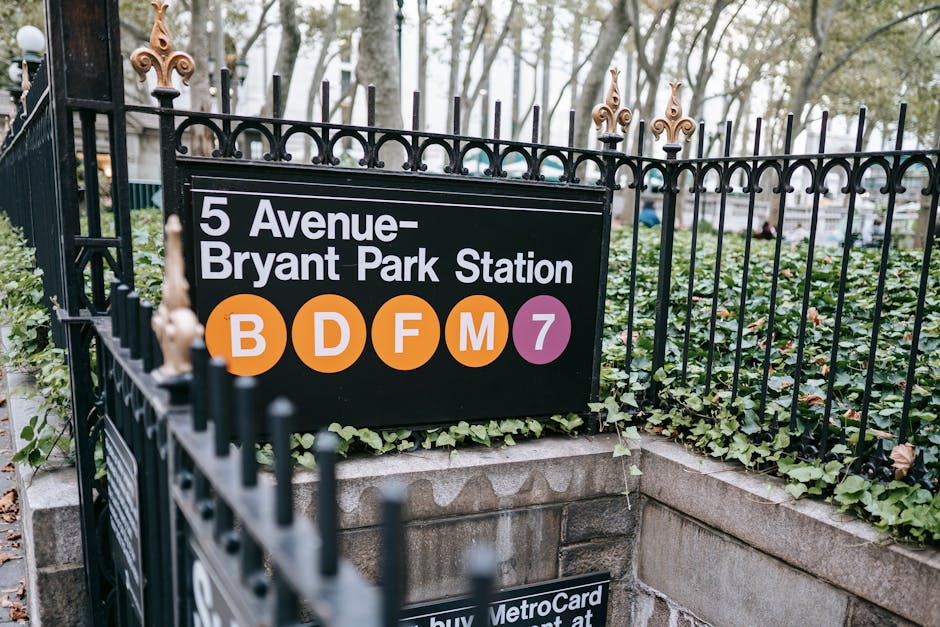
Why Grove Park station move checklist for commuters Matters
A commuter move is not the same as a weekend clear-out. You're usually juggling train times, work calls, key collection, parking, building access, and the awkward reality that you still need to be somewhere the next morning. Grove Park adds its own layer of planning too: station traffic, local roads, school-run hours, and the general London habit of making small tasks take slightly longer than you expected. Slightly. Sometimes very slightly.
That is why a station-focused move checklist matters. It helps you plan around the rhythm of the area rather than just the contents of the van. You can build your move around your commute, not against it. That means fewer missed connections, fewer rushed lifts, and fewer moments where you're standing in a hallway thinking, "Right. Now what?"
It also matters because commuters often move under time pressure. You may only have evenings and weekends to pack. You may need to keep your laptop accessible until the last minute. You may even have a same-day handover and be trying to leave one place, sign for another, and still get to work on Monday. A good checklist gives you a sequence, and sequence is what stops things from slipping.
If you want to get ahead before the boxes even start stacking up, it helps to look at broader planning advice too, such as smart decluttering steps and effective packing techniques. Those two pieces alone can save a lot of wasted time.
How Grove Park station move checklist for commuters Works
The checklist works by breaking the move into stages that fit a commuter lifestyle. Instead of trying to deal with everything on one exhausting day, you split the process into manageable blocks: planning, packing, transport, handover, and first-night setup. That's the basic structure.
For Grove Park commuters, the most useful part is timing. A move near a station often means dealing with early departures, restricted parking, and limited daylight during winter months. So the checklist is built around practical timing questions: When can the van park? Which items must stay with you until the last minute? What do you need before the first train the next day?
The other thing it does well is reduce decision fatigue. A commuter move can become a hundred tiny decisions. Keep the kettle out or box it? Take the bedding now or after work? Can the wardrobe be dismantled tonight, or does it have to wait? A proper checklist tells you what to prioritise, which is oddly comforting when you're tired and your hallway looks like a depot.
In practice, the checklist should work alongside your removal plan. If you're booking a vehicle, for example, it helps to understand whether a man and van in Grove Park is enough for your load, or whether you need a fuller service such as removals in Grove Park. The right choice depends on volume, access, and how much you can realistically do yourself.
Key Benefits and Practical Advantages
The biggest benefit is calm, but there are several more concrete gains too. A commuter move checklist does not just make you feel organised; it helps you avoid costly, inconvenient errors.
- Better time control: You can plan around train departures, commute peaks, and building access windows.
- Less physical strain: You avoid last-minute lifting and improvised carrying, which is where people tend to hurt themselves.
- Fewer forgotten items: Work essentials, chargers, medications, ID, and keys stay visible and packed in the right order.
- Cleaner handover: You can schedule cleaning and final checks properly instead of rushing at 9pm.
- Lower stress for everyone involved: Flatmates, partners, children, and even the removal team have a clearer plan to follow.
There is also a financial advantage, although it's often indirect. If you pack efficiently and know exactly what needs moving, you are less likely to pay for extra trips, emergency storage, or avoidable delays. A little planning can save a surprisingly awkward amount of money.
For heavier or awkward items, professional support matters. A good example is furniture relocation, where using a specialist like furniture removals in Grove Park can be more efficient than trying to improvise with a borrowed car and a few hopeful straps. No judgment. We've all had a bad idea that felt reasonable at 7am.
Who This Is For and When It Makes Sense
This checklist is especially useful if you fit any of the following situations:
- You commute into central London and need your move to fit around work hours.
- You're moving to or from a flat near Grove Park station with limited access or stairs.
- You're a student, tenant, or young professional with a tight deadline and a small-to-medium load.
- You have bulky furniture but not enough time or hands to move it safely.
- You need the move to happen in a single day or over a very short window.
It also makes sense if you are moving between rentals and need to hand back one property cleanly while setting up another one straight away. That sort of handover can be a lot, especially if the move lands in a busy work week. A checklist becomes less of a nice extra and more of a sanity tool.
If your move is particularly time-sensitive, you may want to explore same-day removals in Grove Park. That kind of service can be especially useful when contracts overlap, or when you need everything done without dragging the process out for days.
For students, there's another layer: budgets, term dates, and often a lot of books in very small boxes. In that case, student removals in Grove Park can be a practical fit, especially if you're trying to move quickly between halls, shared houses, or your first private let.
Step-by-Step Guidance
Here's the part most readers want first. A proper commuter move checklist should be practical enough to follow without feeling like homework. So here's the step-by-step version.
1. Start with the commute, not the boxes
Before you pack a single mug, map out your work commute for the moving week. Think about early trains, peak times, and how long you can realistically be away from the new place. If you have an office day on the Friday and a move on Saturday, you need the essentials easy to reach. Don't bury your laptop charger under ten blankets. That never ends well.
2. Sort what stays, what moves, and what goes
Declutter first. It's faster, cheaper, and far less exhausting than moving things you don't want. A sensible rule is to separate items into three groups: keep, donate/recycle, and dispose of responsibly. If you want a more structured approach, the guide on decluttering before you move is worth a look.
Try to be honest here. The old kettle may technically work, but if it leaks and takes forever to boil, maybe this is its retirement moment.
3. Pack around your first 48 hours
Your first two days in the new place are not the time to play box roulette. Pack a commuter essentials bag with work clothes, toiletries, chargers, medication, keys, Oyster/contactless card, bank cards, and a change of outfit. Keep it with you rather than on the van. This is one of those tiny decisions that pays off massively.
Then create a separate "first-night" box for bedding, kettle, tea, loo roll, bin bags, and basic kitchen items. Small things, yes. But the absence of a mug or sheet can make an empty flat feel much more difficult than it is.
4. Measure awkward items before moving day
Doorways, stair corners, lifts, and hallway widths matter more than people think. Measure anything bulky before you move: sofas, mattresses, bookcases, desks, and white goods. If an item needs dismantling, do it early, label the screws, and keep the parts in a sealed bag taped to the item or stored in a clearly marked box.
For bigger furniture, the practical advice in moving a bed and mattress safely can save time and a few bruises. Beds always look easier than they are. Always.
5. Book the right transport and access plan
Think beyond the vehicle itself. Where will it park? Is there a loading bay? Will someone need to meet the driver? Do you need a small van or a larger removal vehicle? If you're in a flat near the station, access can make or break the timing.
For flexible support, you may find man with a van in Grove Park helpful for smaller or mid-sized loads, while a removal van in Grove Park may suit more substantial moves. The right choice depends less on what sounds convenient and more on what will actually fit through the door without drama.
6. Handle cleaning and handover separately
Do not leave cleaning until the same hour you're trying to hand back keys. That's how dust, crumbs, and stress all become one big ugly pile. A structured approach works much better: clean room by room, then do a final sweep of cupboards, skirting boards, appliances, and the bathroom. A useful companion guide is thorough home cleaning before moving.
As a small real-world note, the last 20 minutes are often where people forget the most: behind doors, under sinks, and the top of the wardrobe. Tiny spots. Big annoyance if you miss them.
7. Build in a buffer for the unexpected
Trains are late. Lifts stick. Someone forgets the keys. A mattress is heavier than memory suggested. Add buffer time before and after the move so a small problem does not become a full-day spiral. If you finish early, excellent. If you don't, you've got breathing room.
Expert Tips for Better Results
A few practical habits make a commuter move go much more smoothly. These are the kinds of details that tend to separate a tidy move from a messy one.
- Label by room and priority: Write both the destination room and a simple priority note, such as "open first" or "work clothes."
- Keep work items separate: Don't let chargers, laptop gear, documents, and ID disappear into general boxes.
- Use soft items as padding: Towels and bedding can protect fragile items and save on packing materials.
- Take photos before dismantling: Especially for furniture, cables, and appliance connections. It saves guesswork later.
- Check what can be recycled: Boxes, bubble wrap, and old packaging should be sorted properly where possible.
One tip that is often overlooked: keep a small "arrival kit" in the car or with you on the train if you are travelling separately from the van. That kit should include water, snacks, wipes, phone charger, and any printed documents you need for handover. It sounds boring. It is boring. But it's also very useful.
If you're dealing with especially valuable or delicate items, it may be worth reviewing specialist guidance such as safe piano transportation methods or a trusted piano removals service in Grove Park. Not every item belongs in the "we'll just carry it ourselves" category.
And for really heavy lifting, the basics matter. Use your legs, not your back, keep loads close, and don't twist while carrying. A helpful companion read on this is kinetic lifting technique. It sounds technical, but the principle is simple: move in a way your body can manage safely.
Common Mistakes to Avoid
Most moving problems are not dramatic. They're small, repeated mistakes that pile up. The good news is that they're very avoidable once you know what to look for.
- Packing without a priority plan: This leads to digging through boxes for everyday essentials on the first night.
- Leaving bulky items until the last minute: That is where damage and strain usually happen.
- Assuming station-area parking will be easy: Around Grove Park, access needs checking rather than guessing.
- Forgetting to protect floors and walls: A simple dust sheet or blanket can prevent scuffs in narrow halls.
- Not checking the weather: Rainy moving days in London are, frankly, a bit of a classic. Protect boxes and keep towels handy.
- Mixing tools, documents, and kitchenware together: You'll regret that one when you need a screwdriver or tenancy paperwork quickly.
Another common mistake is ignoring the emotional load. Moving while commuting to work is tiring. There's no need to pretend otherwise. If you can break the task into smaller jobs over a few days, do that. The house doesn't need to be perfect by lunchtime.
Tools, Resources and Recommendations
You do not need a huge toolkit to move well, but a few basics make a big difference.
| Tool or resource | What it helps with | Why it matters |
|---|---|---|
| Strong boxes and tape | Packing books, kitchen items, and mixed household goods | Prevents box failure and makes stacking safer |
| Labels or marker pens | Room-by-room sorting | Speeds up unpacking and reduces confusion |
| Blankets, wraps, and covers | Protecting furniture and delicate surfaces | Helps avoid scratches, dents, and dirt |
| Toolkit | Dismantling beds, desks, and shelves | Makes the job faster and less frustrating |
| Storage option | Temporary holding of items you cannot move yet | Useful when completion dates or access times do not line up |
For packing support, packing and boxes in Grove Park is a sensible place to start if you need supplies rather than just advice. If your move is more complex or you're working to a tight schedule, the broader services overview can help you compare options without guessing.
Storage can also be a lifesaver for commuters with awkward timing. If your move-out and move-in dates don't quite match, storage in Grove Park may give you the breathing room you need. That little buffer can turn a stressful overlap into a manageable one.
Law, Compliance, Standards and Best Practice
For most household moves, the main compliance issues are practical rather than complicated. The key is to respect building rules, property agreements, and safe working practices. If you live in a managed block or a rented flat, check any moving restrictions in advance. Some buildings require lift bookings, stair protection, advance notice, or specific moving hours.
You should also make sure that any removal support you use follows normal health and safety expectations. That means sensible lifting, suitable equipment, safe loading, and clear communication. If a provider has clear policies, that's a good sign. It is also reasonable to ask how they handle damage, access, and complaints if something goes wrong.
For trust and peace of mind, review pages that explain operational standards and customer expectations, such as health and safety policy, insurance and safety information, and the terms and conditions. If you're comparing providers, it can also help to understand the company's approach via about us and the pricing and quotes page.
There's another practical angle here too: responsible disposal. Old packaging, broken furniture, and unwanted household items should be handled with recycling in mind where possible. If sustainability matters to you, have a look at recycling and sustainability guidance. It's a small thing, but it helps keep the move tidy and less wasteful.
Options, Methods, or Comparison Table
If you're deciding how to move near Grove Park station, the choice usually comes down to how much you have, how far you're going, and how much time you can spare. Here's a quick comparison that makes the trade-offs easier to see.
| Method | Best for | Strengths | Limitations |
|---|---|---|---|
| DIY van hire | Small, flexible moves | Can be cheaper if you already have help and time | You handle loading, driving, parking, and lifting yourself |
| Man and van | Medium loads, quick local moves | Good balance of support and flexibility | May be less suitable for larger properties or complex access |
| Full removal service | Full-house or high-volume moves | Less physical strain, more support, more organised | Usually more involved in planning and may cost more |
| Storage plus move | Dates that do not line up neatly | Useful buffer when handover timing is awkward | Needs extra planning and may add short-term cost |
There isn't one universal best option. To be fair, the right method depends on your situation. A student with three boxes and a desk lamp needs something very different from a family moving a two-bedroom flat, a sofa, and a freezer. Speaking of which, if you need a hand with household appliances, the guide on storing a freezer safely is worth reading before you unplug anything.
Case Study or Real-World Example
Imagine a commuter who works in central London and lives in a one-bedroom flat a short walk from Grove Park station. They have a Friday handover, a Monday office start, and only one spare Saturday for the actual move. Nothing dramatic, just the usual modern squeeze.
They start by separating everyday essentials from everything else. The laptop, chargers, work shoes, and a suit go into one labelled bag. Bedding and toiletries go into a first-night box. Books, winter coats, and spare kitchen items are packed earlier in the week. Their sofa is wrapped and prepared for movement, and the bed frame is dismantled the night before so there's no delay on move day.
Because access near the property is tight, they book help rather than trying to do the whole thing alone. They also arrange a short storage gap for one awkward item that will not fit at the new place immediately. That prevents the whole move from turning into a traffic jam of objects in a hallway.
The result is not glamorous, but it works. They arrive with energy left, get the essentials in place, and are back at work on time. The move still feels like a move - a little noisy, a little dusty, maybe one misplaced screw - but it doesn't become a crisis.
This is the kind of outcome a solid checklist is designed to create: not perfection, just control.
Practical Checklist
Use this as your straightforward commuter move checklist for Grove Park. Keep it handy, print it if you need to, and tick things off as you go.
- Confirm your moving date and key handover time.
- Check train times and commute commitments for the moving week.
- Assess access at both addresses, including parking and lifts.
- Declutter before packing anything you do not want to keep.
- Gather boxes, tape, markers, covers, and a basic toolkit.
- Pack work essentials, chargers, and documents separately.
- Create a first-night box for bedding, toiletries, and tea supplies.
- Measure bulky furniture and plan dismantling where needed.
- Book transport or removal help appropriate to the load.
- Arrange cleaning, waste disposal, and recycling before handover.
- Keep valuables, IDs, and medication with you.
- Leave buffer time for delays, weather, and last-minute issues.
- Do a final room-by-room sweep before locking up.
Expert summary: The best commuter moves are usually the ones that look a little boring on paper. Everything is labelled. The essentials are separate. The heavy items are handled properly. The train is not part of the drama. That's the goal, really.
Conclusion
A Grove Park station move checklist for commuters is really about reducing friction. It helps you protect your time, your energy, and your belongings while working around train schedules and everyday obligations. That matters more than people think. A move can be tiring enough without also forcing you to improvise every five minutes.
If you focus on timing, access, packing priority, and safe lifting, the whole process becomes much easier to manage. And if the move involves furniture, tight deadlines, or awkward access, it's worth using support that matches the job rather than trying to brute-force it. Sometimes the smartest move is simply not doing everything yourself.
Get a free quote today and see how much you can save.
Even a busy move can have a calm centre. Plan that part well, and the rest starts to fall into place.