Man With Van Grove Park

Man With Van Grove Park offers a practical removals and transport service in Grove Park for homes, flats and small businesses that need items moved with care and sensible planning. The work can suit single pieces, part-load moves and fuller household moves where a larger lorry would be unnecessary. We focus on straightforward collection, loading, transit and delivery so customers can arrange moving help without paying for more vehicle space than they need.
The service is designed around careful handling, flexible load sizes and clear communication before the day of the move. Typical requests may include furniture moves, room-to-room transfers, light office relocation work and general removals support. If you are comparing options, you can start by looking at the core man and van service details, then decide which type of move is most suitable for the items, access and journey involved.
For many customers, the most useful part of a man and van service is that it can stay focused on the actual task rather than a bundle of extras. That means you can arrange transport for wardrobes, sofas, boxes, appliances or mixed loads with a service that is sized to the job. Simple, well-planned removals often depend on the right vehicle, the right lifting approach and a realistic understanding of what needs moving.
House removals and everyday moving help
House removals in Grove Park often involve more than simply carrying boxes from one property to another. Access, parking, stairs, hallway width and the shape of the load all matter when planning the move. A man with van arrangement can be a useful choice when the contents are modest, when there are a few large items to move alongside smaller belongings, or when a customer wants help with a move that does not require a large removal lorry.
If you need a fuller household move, the service can still be useful for a careful load-and-go approach. The practical value is in matching the van size to the job and keeping the move organised. If you are deciding between service pages, the house removals option is the clearest place to review domestic moving support, while the home moves page can help when the move is broader than a single room or item collection.
When preparing for a quote, it helps to gather a simple list of the items to be moved, note any heavy pieces and think about access at both ends. Stairs, lifts, tight corners and limited parking can all affect how a move is planned, so clear information makes it easier to set out the right approach. We can then shape the work around your property, rather than forcing the move into a one-size-fits-all process.
Furniture pick-up and single-item transport

Furniture pick-up work is often about speed, protection and keeping the collection well organised. A sofa, table, chest of drawers or bed frame may only need a short journey, but it still benefits from the same careful loading that a larger move would use. We can help with individual items, multiple furniture pieces or mixed furniture and boxes when the job is too much for a car but does not justify a full-scale removals setup.
The furniture pick-up page is a useful place to explore that kind of transport in more detail, especially if the main task is collecting a purchase, shifting unwanted pieces or delivering furniture to another address. The service can also sit alongside wider moving plans, where a few large items need extra attention and the rest of the contents are lighter or already boxed.
For customers arranging a collection, it is helpful to be clear about dimensions, weight and whether any furniture needs dismantling before transport. Good preparation reduces uncertainty on the day and helps the move run more smoothly. If the item is awkward, fragile or awkwardly placed, it is better to mention that early so the handling plan reflects the real work involved.
Packing, access and loading choices
Some moves are straightforward once everything is ready, but others need a little more thought around packing and loading order. Boxes should ideally be secure, labelled where useful and stacked so that heavier items sit safely below lighter ones. Furniture and fragile belongings may need blankets or careful separation inside the van, particularly where the load includes mixed household contents rather than one or two bulky items.
If you want help with more than transport, the packing and unpacking services page sets out support that can sit before or after the move itself. That is not always necessary, but it can be useful when time is limited, when the contents are numerous, or when a customer wants more structure around the job. Thoughtful packing can make loading easier and can also reduce the need for rehandling items later.
One practical way to prepare is to separate what needs to be moved from what will stay behind, then identify any items that need special care. That may include mirrors, TVs, glass tops, lamps or boxed valuables. A concise list is often more useful than a long description. If the move is small, the list can be brief; if it is larger, a fuller inventory helps keep the plan realistic.
Office moves and commercial transport

Not every removals job is domestic. Small office relocation work, furniture transfers, archive movement and deliveries between business premises can all benefit from a van-based service that is organised but not oversized. The aim is to move desks, chairs, filing items and equipment in a way that keeps the work practical, with attention to access times, building rules and the order in which items need to arrive.
If your business needs this kind of support, the office removals page gives a clearer view of workplace moving help, while office relocation services is relevant when the task includes a fuller change of location. A man with van option can be especially suitable for smaller business moves where flexibility matters and the contents do not require a large removals fleet.
Commercial customers often value the ability to keep the job focused on the essentials. That may mean moving stock, IT equipment, lightweight furniture or document boxes without unnecessary complexity. Careful sequencing is important: the items needed first should be loaded and delivered in a sensible order, and anything delicate should be separated from heavier pieces so it remains protected during the journey.
Vehicle size, journey planning and load types
The right van depends on what is being moved, not on a preset idea of how a removals job should look. A smaller load may need only a few carefully packed items, while a larger household move may call for a vehicle with enough room to keep furniture stable and reduce the need for multiple trips. Matching the vehicle to the contents can make a move more efficient and less stressful.
For customers comparing transport options, the moving van page is relevant when the emphasis is on the vehicle itself, while removal van and moving truck help distinguish between different load capacities and moving setups. The most suitable choice depends on item volume, weight, access and the distance involved, so it is worth choosing the page that best matches the actual job.
There is no need to overcomplicate smaller moves. A simple plan can be enough if the route is short and the contents are already packed. For larger or more awkward loads, it becomes more important to think about stacking, padding and the order in which items are loaded. That keeps the move tidy and helps avoid avoidable pressure on fragile pieces.
About Grove Park
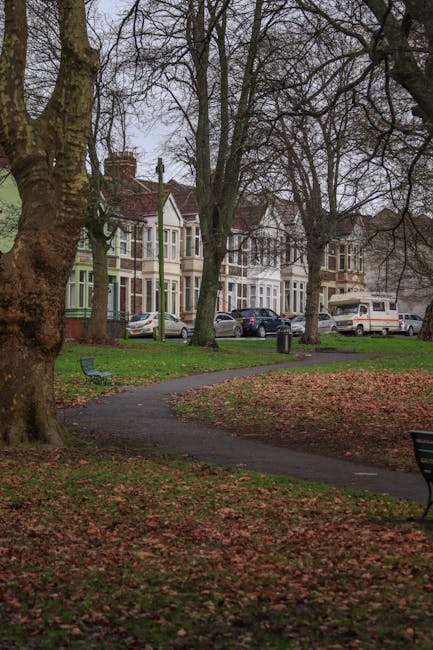
Grove Park is a district in the London Borough of Lewisham in south-east London, centred on an area that developed around the railway station of the same name. The station sits on the South Eastern Railway line and has long shaped the character of the locality, with residential streets spreading out from the transport corridor and linking to neighbouring parts of Bromley and Lewisham. The district is close to the border between the two boroughs, which gives it a useful position between more urban streets and greener edges. Housing in the area includes Victorian and interwar terraces, later estates and detached or semi-detached homes on quieter roads, creating a mixed residential pattern rather than a single architectural style. Local green space is one of Grove Park’s notable features: Chinbrook Meadows lies nearby and offers open grass, paths and play space, while parts of the wider area connect to the River Quaggy corridor and the network of parks running through south-east London. That combination of rail history, suburban streets and accessible open land gives Grove Park a practical, lived-in character. The district also sits within reach of larger shopping and employment centres, so day-to-day movement often follows the rail and road links that have influenced the area for decades. In this part of London, everyday life is shaped by a balance of local streets, transport access and nearby open space rather than by a single commercial centre, and that gives Grove Park a clear identity within the wider borough.
Delivery, collection and neighbourhood removals

Delivery and collection work can be a good fit for customers who have bought furniture, appliances or household items that need to be brought home safely. The advantage of a man with van service is that it can handle the item from collection point to destination without requiring the customer to arrange separate transport. That can be useful for marketplace purchases, private sales or moving a few items between friends, relatives or storage locations.
The removal services page is a sensible place to review broader support, while removals gives a general overview of moving work across different load sizes. If your task is mainly one-off transport rather than a whole-house move, these pages can still help you compare the available support and decide whether a compact van-based service will suit the job better than a larger setup.
Practical removals often come down to how well the load is organised before the journey starts. If a job includes several destinations, it may need more careful planning than a single delivery, because the order of stops can affect timing and handling. The clearer the plan, the easier it is to keep the move sensible and avoid unnecessary backtracking.
Choosing the right removals support
When comparing removal options, it helps to think about what actually needs moving rather than choosing by name alone. Some customers only need one or two large items shifted, while others need help with a small home, a student move or a business relocation. The more closely the service matches the task, the easier it is to keep the process efficient and avoid paying for transport that is larger or more complex than necessary.
For related options, house movers and house removalists are useful pages when the job is centred on domestic moving support, while man and van removals and man with a van can help customers looking for flexible transport with loading assistance. The wording may differ, but the key point is to choose the service that best reflects the scale and shape of your move.
Before asking for a quotation, it is sensible to note the main items, the locations involved and any access issues that could affect loading or delivery. If there are several bulky pieces, mention them together; if the job is mainly boxes, say how many there are and whether anything is fragile. A clear, honest summary usually leads to a more useful response than a long general description.
Quotations, pricing factors and booking details

Quotations for van-based removals are usually shaped by the amount to be moved, the distance between addresses, the time needed for loading and unloading, and any access factors that make the work easier or harder. A short local collection will not have the same demands as a larger move with several floors, parking restrictions or bulky furniture that needs more careful handling. Those practical details matter because they change the work involved.
The pricing and quotes page is the best place to review how quotation requests are handled, and it sits well alongside this service overview when you are ready to move from planning to action. If you want to ask a question or share the details of a job, the contact us page provides the natural next step for a direct enquiry. You can also simply request a quotation today and outline the move in your own words.
For the smoothest response, keep your note concise but informative: what needs moving, where it is going, and whether anything needs dismantling or special care. That gives enough information to assess the work properly without turning the enquiry into a long list. If the move is straightforward, your quotation request can be very brief; if it is more involved, a little extra detail is useful.