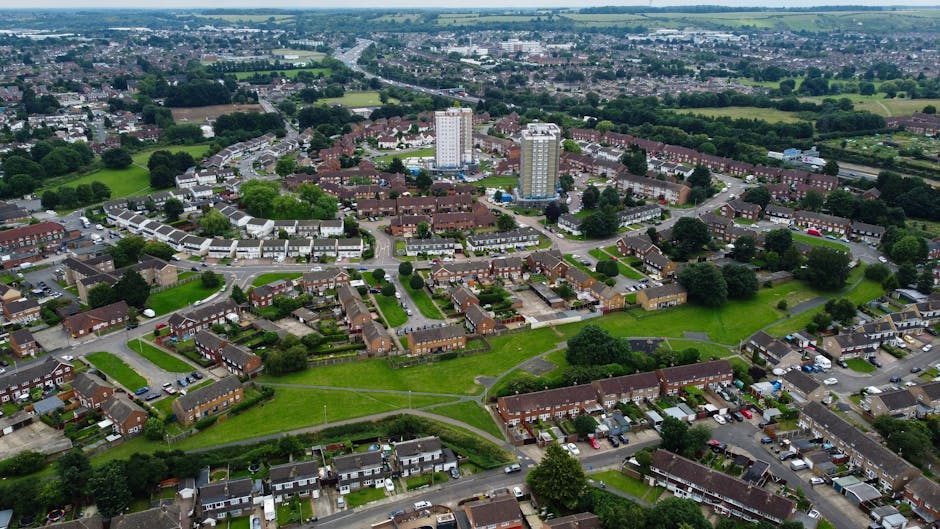
Chinbrook Meadows estate moves: stair and lift solutions
Posted on 06/05/2026
Chinbrook Meadows Estate Moves: Stair and Lift Solutions
Moving in Chinbrook Meadows can look straightforward on a map, then the stairs, narrow hallways, lift timings, and awkward corners remind you that real life is a bit less tidy. Truth be told, that is where good stair and lift solutions make the difference between a move that feels controlled and one that turns into a sweaty, slow, slightly chaotic day. If you are planning a flat move, a family relocation, or even shifting bulky furniture within the estate, the aim is simple: protect the building, protect your belongings, and protect your back.
This guide walks through what stair and lift access means in practice, how to prepare for it, which tools and methods help most, and where the common risks lie. You will also find a checklist, a comparison table, and practical pointers that fit the reality of estate moves in South East London. If you are also refining the wider moving plan, the advice in smart decluttering steps and effective packing techniques can save a surprising amount of time before the first box is lifted.

Why Chinbrook Meadows estate moves: stair and lift solutions Matters
Estate moves are often won or lost in the first ten minutes. Can the sofa turn on the landing? Will the lift take a mattress without scraping the panel? Is there enough room to stage boxes without blocking neighbours? These sound like small things, but they quickly become the whole job if you do not plan for them.
In a place like Chinbrook Meadows, the common challenges are familiar: shared entrances, timed lift use, stairs that do not quite look as tight as they are, and neighbours who still need to get past with shopping or pushchairs. A well-run move takes those realities seriously. It is not about making the day overly formal. It is about reducing friction.
The right stair and lift approach also protects the building. Communal walls, bannisters, lift doors, and flooring can all be marked or damaged by rushed handling. That matters whether you are a tenant, leaseholder, or owner-occupier. A clean move tends to be a calmer move, and yes, a calmer move usually means fewer regrets later on.
For people moving items between floors or arranging larger pieces like wardrobes, dining tables, or pianos, the value is even clearer. A methodical plan prevents repeated lifting and awkward pivoting. If you want a closer look at moving particularly awkward pieces, our guides on lifting heavy objects safely and kinetic lifting techniques are useful supporting reads.
Expert summary: The best estate move is usually the one that looks almost boring from the outside. Boxes arrive, furniture clears doorframes, the lift is used properly, and nobody has to improvise under pressure.
How Chinbrook Meadows estate moves: stair and lift solutions Works
Stair and lift solutions are really a set of decisions, not one single method. You start by looking at access, then you match the access route to the item. That may sound obvious, but a lot of problems begin when people try to force every item through the same route.
There are usually three parts to the process:
- Access check: Measure the stairs, landings, lift doors, lift interior, and any tight corners.
- Item matching: Decide what goes by lift, what goes by stairs, and what needs to be partially dismantled.
- Handling plan: Assign lifting roles, protective materials, and the sequence for loading and unloading.
For example, a flat-screen TV may fit safely in a lift with blankets and a stand-up position, while a long wardrobe might need to be broken down before it even gets near the hallway. A sofa may be too bulky for the lift but manageable on the stairs if there is enough landing space and a controlled turn. That is the judgement part. No two buildings are exactly alike, even when they look identical from the road.
When the estate has shared lifts, timing matters too. If you are coordinating with neighbours, concierge staff, or management rules, a short slot can be enough if the route is clear and the packing is done properly. If you arrive with loose drawers, fragile items, and no plan for wrapping, the lift becomes a bottleneck pretty quickly.
Good stair and lift solutions also include protection. Thick moving blankets, door edge guards, lift pads where appropriate, and floor runners can stop avoidable scuffs. That is not overkill. It is just sensible, especially in communal areas where one careless knock is visible to everyone. And let's face it, nobody wants to be the person who dents the lift on moving day.
Key Benefits and Practical Advantages
There are some very practical reasons to take stair and lift planning seriously rather than treating it as an afterthought.
1. Less physical strain
Moving heavy items up and down stairs is exhausting and can be risky if loads are awkward or visibility is poor. Planning the route properly reduces repetitive lifting and the chance of a sudden slip. It is a simple benefit, but a big one.
2. Faster, more controlled loading
If you know in advance which items travel by lift and which by stairs, the team wastes less time deciding on the spot. That keeps the move moving, which matters on busy roads, in timed estate slots, or when you are trying to finish before the light fades at the end of the day.
3. Better protection for furniture and appliances
Bulky furniture is more likely to get marked when people twist it through a stairwell without checking measurements. Good planning means fewer scrapes on fabric, veneer, doors, and metal fittings. For larger household items, it often helps to follow specialist handling advice such as the tips in our bed and mattress moving guide and how to store a freezer safely if appliances will be offline for a while.
4. Lower risk of building damage
Communal lifts and stair cores are where problems tend to show up. A proper access plan reduces the chance of chipped paint, damaged trim, scuffed flooring, and blocked shared spaces.
5. Less stress on moving day
There is a mental load to all this that people often underestimate. Once you know the route, the sequence, and the backup plan, the day feels much more manageable. You can breathe a bit. Which, to be fair, is underrated.
Who This Is For and When It Makes Sense
Not every move needs a specialist stair and lift strategy, but many do. The most common cases are:
- Flat moves in multi-storey blocks: especially where lift use is shared or restricted.
- Families moving bulky furniture: wardrobes, beds, sofas, and white goods can become difficult fast.
- Older residents downsizing: fewer items, yes, but often more delicate handling and a stronger need for reassurance.
- Students and first-time movers: smaller moves still benefit from planning, especially when stairs are tight.
- Office or home-office relocations: desks, monitors, filing units, and printers all need sensible handling.
It also makes sense when the estate layout is less forgiving than expected. Some properties appear straightforward until you actually stand inside the stairwell and realise the banister reduces turning space. Or the lift is smaller than the brochure suggested. Happens all the time.
If you are in a rush, short on helpers, or moving at peak time, professional support can make a real difference. A service such as flat removals in Grove Park or broader removals support in Grove Park can be a sensible fit when access is the main challenge rather than the distance.
Step-by-Step Guidance
Here is a practical sequence that works well for estate moves with stairs and lifts. It is simple on paper, but that is usually a good sign.
- Survey the access route. Measure doorways, lift dimensions, stair width, and landing depth. Check for low ceilings, handrails, awkward bends, and parking distance.
- Sort items by route. Decide what will go by lift, what can safely go by stairs, and what should be dismantled first.
- Declutter before the move. Fewer items mean fewer trips. If you have not yet done this, the advice in smart decluttering steps is a good place to start.
- Pack for handling, not just storage. Boxes should be manageable, sealed well, and clearly labelled. Heavy items belong in smaller cartons. A box that is too large becomes a liability halfway up the stairs.
- Protect the route. Lay runners if needed, pad door frames, and keep lift interiors guarded where appropriate. Keep one person responsible for spotting hazards.
- Load in a sensible order. Put the largest and heaviest items in first if they are going on the van, but keep the unloading order in mind too. You do not want to bury the kettle under the sofa unless you enjoy hunting for tea.
- Use steady, coordinated lifts. One person leads, one supports, and nobody rushes the turn on the landing. Small pause, then move.
- Check both ends. Before leaving each floor, make sure no tools, screws, or packing materials are left behind. At the destination, confirm furniture is upright, level, and placed where it needs to go.
A small note here: if you are relocating a piano, the plan changes again. Pianos are not just heavy; they are awkward, delicate, and expensive to get wrong. That is why specialist advice such as piano transportation methods should be treated as its own category, not a side task.
Expert Tips for Better Results
These are the kinds of details that make an estate move smoother without making it feel overcomplicated.
- Measure before you assume. A tape measure is cheaper than a scratched wall.
- Keep boxes under control. A medium box with books can be more dangerous than a large box with bedding.
- Pre-wrap awkward edges. Table legs, mirror corners, bedframes, and appliance handles often get damaged first.
- Use clear verbal calls. Simple phrases like "pause", "clear", and "up one step" reduce confusion in stairwells.
- Reserve lift time if you can. Some buildings allow this, and it avoids those awkward moments where someone else is waiting with a shopping trolley.
- Keep one pathway open. Do not fill every landing with boxes. It creates trip hazards and slows the whole operation.
One practical observation from moving day: the first 20 minutes tell you almost everything. If the first sofa turn feels tight, adjust immediately. Do not keep hoping the angle will magically improve on the third attempt. It won't. Better to stop, reset, and save the furniture, and your patience.
For larger households, pairing good packing with sensible storage can also reduce pressure. The pages on storage options in Grove Park and furniture removals are useful if not everything is going straight into the new place.

Common Mistakes to Avoid
Most move-day problems are preventable. The tricky thing is that they usually look minor until they are not.
- Assuming the lift is big enough. Even a roomy lift can be too small once padding and angles are added.
- Ignoring landing geometry. A narrow stair landing can stop a large wardrobe even if the stairs themselves seem wide.
- Overloading boxes. One massive box creates more strain than two smaller ones. Common mistake, very common.
- Forgetting building rules. Some estates have limits on lift use, protected flooring requirements, or preferred moving hours.
- Not protecting communal areas. A careless scrape in a shared hallway is the sort of thing nobody wants to explain afterwards.
- Trying to move everything in one pass. It sounds efficient. It is usually not.
Another one is underestimating the value of proper cleaning and handover. If you are moving out, a tidy finish helps with references, deposits, and good neighbourly feeling. The guide on thorough home cleaning before moving pairs well with any departure plan.
Tools, Resources and Recommendations
You do not need a warehouse full of equipment, but a few good tools make a huge difference.
| Tool or resource | What it helps with | Why it matters |
|---|---|---|
| Furniture blankets | Protecting sofas, tables, and appliances | Reduces scuffs and surface damage |
| Ratchet straps | Securing items in the van | Stops movement in transit |
| Gloves with grip | Handling boxes and awkward items | Improves control, especially on stairs |
| Tape measure | Checking lifts, doors, and landings | Prevents avoidable access problems |
| Floor runners or mats | Protecting shared hallways | Useful in communal estate areas |
| Box labels and markers | Organising loading and unloading | Saves time when placing items in rooms |
On the planning side, it helps to keep the move simple and realistic. If you need hands-on support, the broader services overview is a good starting point, while man and van services can be practical for smaller estate moves where flexibility matters more than a huge vehicle.
For people comparing options, it is also worth understanding how quotes are structured. Look at vehicle size, number of movers, access difficulty, parking restrictions, and whether packing materials or dismantling are included. If a quote feels unusually low, ask what is missing. A cheap move can become expensive in the last hour.
Law, Compliance, Standards, or Best Practice
For estate moves, there are a few compliance and best-practice angles worth keeping in mind, even if your move is relatively small.
First, building rules. Residential blocks often have management conditions about lift booking, protected lift use, parking, noise, and moving hours. These are usually set by the property manager or freeholder, so always check in advance rather than relying on memory or hearsay from a neighbour who may be half right.
Second, health and safety. Anyone helping with lifting should use reasonable manual handling practice. In plain English, that means not lifting beyond your capacity, keeping loads stable, and using help or equipment when something is too awkward. If you are unsure, it is better to break an item down or use the lift route than to force a risky carry.
Third, insurance and care. A reputable moving service should be able to explain how it handles goods in transit and damage prevention. You should also understand what is and is not covered before the day starts. For additional reassurance, see the company's insurance and safety information and health and safety policy.
Finally, if access affects neighbours or shared space, basic courtesy matters. Keep communal routes clear, minimise waiting time in lift lobbies, and leave the area as you found it. That is not just good manners. It often makes the whole move easier.
Options, Methods, or Comparison Table
Different estate moves call for different approaches. Here is a straightforward comparison.
| Method | Best for | Advantages | Watch-outs |
|---|---|---|---|
| Lift-first moving | Boxes, chairs, manageable furniture | Less physical strain, cleaner route | Must fit dimensions and weight limits |
| Stair carry | Items too long or awkward for the lift | Useful when lift access is limited | Higher physical load, tighter turns |
| Dismantle-and-move | Beds, wardrobes, desks, modular units | Improves fit and reduces damage | Takes time and needs careful reassembly |
| Mixed method | Most full home moves | Flexible, efficient, realistic | Needs good coordination and labelling |
In many Chinbrook Meadows moves, the mixed method is the winner. That means using the lift for what suits it, stairs for what must be carried, and dismantling only where it genuinely makes the job safer. No need to make it more complicated than it has to be.
If you are moving out of a smaller property or a first-time flat, student removals in Grove Park may also be relevant because those moves often rely on quick, flexible handling rather than big-scale logistics.
Case Study or Real-World Example
Here is a realistic example based on the kind of move that comes up often.
A couple moving from a second-floor flat in a Chinbrook Meadows-style estate had a sofa, double bed, dining table, six boxes of books, and a fridge freezer. The lift was usable, but only for certain items. The sofa would not fit upright without risking the corners, and the bed frame needed dismantling anyway.
The solution was fairly simple, though not instantly obvious:
- boxes and smaller items went by lift;
- the fridge freezer was measured, wrapped, and moved with a clear route;
- the sofa was carried via stairs with padding on the edges and a spotter at each turn;
- the bed frame was dismantled before moving day;
- the route was protected with runners at entry points and the communal lift was booked for a short slot.
The result was steady rather than dramatic, which is exactly what you want. There was no panic at the landing, no awkward arguments about who should go first, and no surprise damage in the lift. The couple even had time to wipe down surfaces before leaving. A small win, but a meaningful one.
That sort of outcome is the real goal behind stair and lift planning. Not perfection. Just fewer problems, less strain, and a move that feels under control.
Practical Checklist
Use this before moving day if you want the access side of the move to go more smoothly.
- Measure all doorways, stair turns, lift doors, and the lift interior.
- Check whether the building has moving-hour restrictions or lift booking rules.
- Decide which items will go by stairs and which by lift.
- Dismantle large furniture where needed and keep fixings in labelled bags.
- Pack heavy items in smaller boxes.
- Label boxes by room and fragility.
- Protect floors, bannisters, doors, and lift panels if required.
- Reserve parking or loading access if your estate needs it.
- Keep a clear route in both the old and new property.
- Confirm insurance, payment terms, and arrival time in advance.
- Set aside cleaning materials for the final sweep-through.
- Keep water, phone chargers, and basic tools easy to reach.
If any of these steps feel fiddly, that is normal. Moving is a lot of small decisions stacked on top of each other. Once the list is handled, the day usually feels far more manageable.
Conclusion
Chinbrook Meadows estate moves: stair and lift solutions are really about making the space work for you instead of fighting it. Measure carefully, choose the right route for each item, protect the shared areas, and keep the pace controlled. That combination tends to save time, money, and a fair amount of stress.
Whether you are moving a one-bed flat, a family home, or a few especially awkward items, the best results usually come from clear planning and realistic handling choices. And if you are still refining the rest of the job, practical support from pages like pricing and quotes, removal services, and packing and boxes can help you build a move that feels properly joined up.
Get a free quote today and see how much you can save.
In the end, a good move is the one that lets you arrive with your energy intact and your furniture still looking like yours. That quiet sense of relief at the end of the day? Worth planning for.