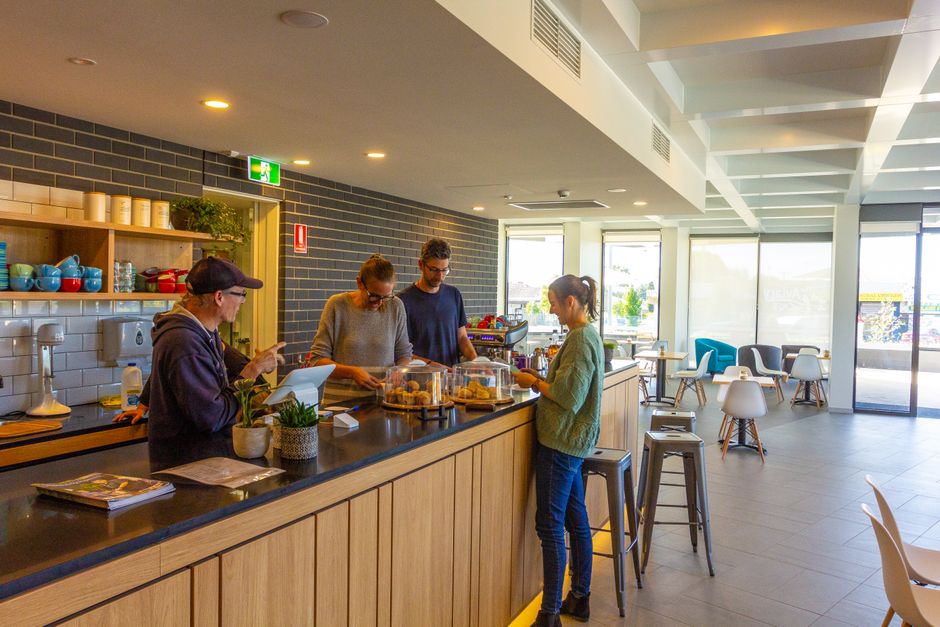
Case study: Grove Park cafe relocation with zero downtime
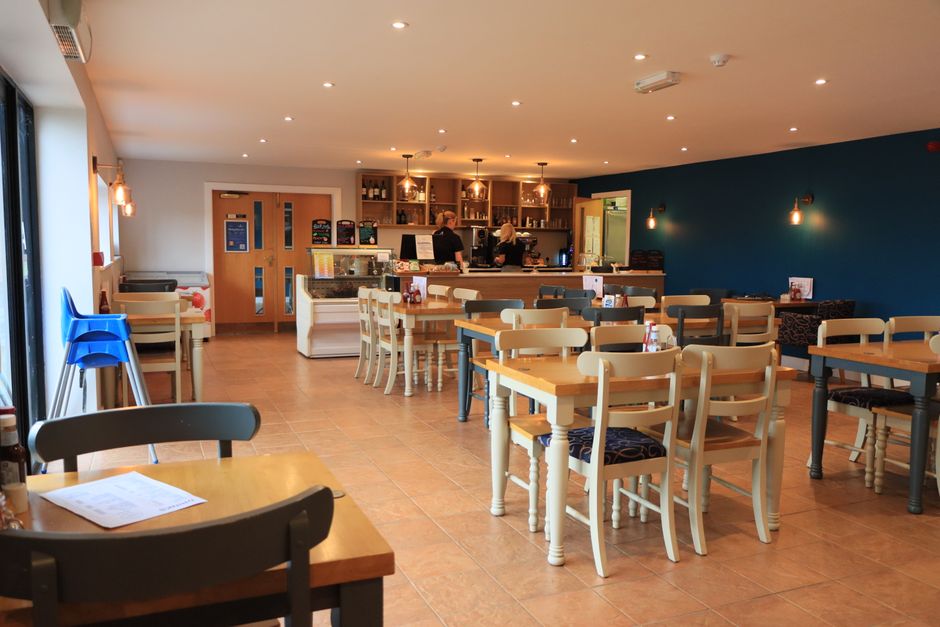
Relocating a cafe is one of those jobs that looks simple from the outside and gets complicated the moment you start moving fridges, coffee machines, stock, signage, tills, and all the little things that keep service running. A cafe cannot really "pause" in the same way an empty office can. Regulars still want their flat white. Staff still need a workable prep area. And the tills, naturally, need to be working before the first customer walks in.
This case study-style guide on Case study: Grove Park cafe relocation with zero downtime breaks down what a genuinely low-disruption move looks like in practice. It explains the planning, the sequencing, the risk points, and the decisions that matter when the goal is to reopen without losing trading time. If you are comparing cafe relocation options, or you simply want to understand how a move can be handled with care, this article will give you a grounded, practical view.
The best relocations are not flashy. They are calm, methodical, and slightly boring in the best possible way. That is what keeps the coffee flowing.
Why Case study: Grove Park cafe relocation with zero downtime Matters
A cafe move is not just a transport job. It is a business continuity exercise. If the relocation is messy, you do not only risk broken equipment; you risk losing trade, staff confidence, customer trust, and momentum. In a busy neighbourhood like Grove Park, even one lost day can feel bigger than the numbers suggest. People notice when the shutters stay down.
That is why zero downtime matters. It means the business keeps serving, or at least keeps the interruption so short and controlled that customers barely feel it. In practice, zero downtime often means a carefully staged move rather than a single dramatic lift-and-shift. Some items move after closing. Some are pre-positioned. Some are swapped in a sequence that allows the cafe to reopen quickly the next morning. Simple idea. Hard to pull off well.
For owners, the payoff is obvious:
- less lost revenue
- less waste from temperature-sensitive stock
- lower risk of staff disruption
- less chance of damaging specialist equipment
- better customer retention during the transition
There is also a branding benefit. A smooth move makes the business look organised and reliable. That counts. People remember when a local cafe handles change with confidence rather than chaos.
If you are planning a commercial relocation more broadly, it is worth seeing how commercial moves are structured, because the same continuity principles apply even when the space is small. A cafe may look like a compact unit, but the moving pressure is often intense.
How Case study: Grove Park cafe relocation with zero downtime Works
The process usually starts long before a van is loaded. The planning stage is where the real work happens. Truth be told, many difficult moves are caused by decisions made too late, not by the lifting itself.
A zero-downtime cafe relocation normally follows five linked phases:
- Survey and inventory - every key item is listed, from espresso machines to stacked chairs and cleaning supplies.
- Operational mapping - the team works out what must be live first after arrival: till, grinder, fridge, prep surfaces, signage, and safe access.
- Timing plan - the move is scheduled around service hours, cleaning windows, deliveries, and any landlord or building access restrictions.
- Protective packing and staging - fragile, hot, and water-sensitive items are wrapped, labelled, and loaded in the right order.
- Rebuild and handover - equipment is placed in sequence so the cafe can reopen quickly and safely.
The key is sequencing. Not everything needs to arrive at once, and not everything should. For example, non-essential shelving or archive stock can often move earlier, while the espresso setup and refrigeration may be held back until the final phase. That avoids cluttering the new site and helps the opening team work faster.
In many cases, a provider offering office relocation services or office removals can apply the same discipline to a hospitality move. The setting is different, yes, but the logic is the same: prioritise continuity, reduce handling, and keep critical functions protected.
One small but important detail: cafe relocation is often about rhythm as much as logistics. When the team knows what happens first, second, and third, the whole move feels less like a scramble and more like a managed transition. That calmness is contagious.
Key Benefits and Practical Advantages
The obvious benefit is continued trading. But there are several quieter advantages that matter just as much.
1. Less operational shock
A cafe team working in a cramped, half-open space is more likely to make mistakes. A controlled move reduces that pressure. Staff can focus on service rather than hunting for spoons, labels, or cable leads.
2. Better equipment protection
Coffee equipment, refrigeration, glassware, and point-of-sale hardware can be awkward to move. Proper packing reduces the odds of knocks, leaks, and delayed set-up. The difference between a machine that is protected and one that is just "carefully placed" is, frankly, huge.
3. Faster reopening
If the destination site is prepared in advance, the cafe can reopen more quickly. That often means fewer hours lost, which is where the financial value starts to show.
4. Better customer communication
A planned relocation gives you a story to tell. Customers are more forgiving when they understand what is happening and when they know service will resume promptly. People are usually reasonable - provided they are not left guessing.
5. Lower risk of stock waste
Food storage, milk, chilled items, syrups, and disposable supplies all need handling with care. A tight schedule and proper transport reduce spoilage and avoidable waste. That also aligns neatly with recycling and sustainability practices, especially when packaging, cardboard, and old fittings need to be separated sensibly.
Expert summary: zero downtime is not magic; it is a chain of small, disciplined decisions. The most successful cafe relocations protect trading hours by controlling the sequence, not by rushing the load.
Who This Is For and When It Makes Sense
This kind of move makes sense for cafe owners, hospitality managers, landlords, and fit-out teams who cannot afford a long closure. It is especially useful when the business depends on repeat footfall, morning trade, and local routines. In a real neighbourhood setting, the "regulars effect" is strong. Miss a few mornings and some of them simply drift elsewhere. It happens fast.
It is also a good fit when the relocation includes any of the following:
- specialist espresso or brewing equipment
- refrigeration units and chilled stock
- counter displays or built-in service areas
- fragile branding, mirrors, or menu boards
- tight turnaround times between lease end and reopening
- shared building access, loading bays, or time-limited parking
If your move is more like a small business transition than a full hospitality refresh, you might also compare the approach with removal services or broader removals support. The right option depends on volume, urgency, and how much of the setup needs rebuilding on arrival.
On the other hand, if the cafe is closing for a long refurbishment anyway, the zero-downtime requirement may be less strict. But even then, it is often worth planning as though trade should resume the minute the doors open. That mindset keeps everyone sharper.
Step-by-Step Guidance
Here is a practical way to think about the move from start to finish. No mystery, no theatre. Just a sequence that works.
Step 1: Define the non-negotiables
Decide what has to be working first at the new site. Usually this means the till, card payment system, coffee machine, grinder, fridge, and any core prep area. If those are not ready, the rest does not matter much.
Step 2: Audit the inventory
List everything, but split the list into categories:
- critical opening items
- same-day items
- later-stage items
- items to discard, recycle, or donate
This is the stage where surprises should be found, not on moving day. There is always one awkward shelf, one wobbly table, one cable nobody can identify. Always.
Step 3: Confirm access at both sites
Check stairs, lifts, doors, parking, loading bays, and restricted access times. If the new unit has a narrow entrance or awkward pavement access, mention it early. The mover needs to know before the van arrives, not while people are standing in the rain trying to rotate a fridge through a doorway.
Step 4: Protect the fragile and the essential
Use proper wrapping, crates, and labels. Coffee equipment needs more than a blanket and optimism. Glass, ceramics, POS hardware, and display pieces should be packed so they can be unloaded in the right order.
Step 5: Sequence the load
Load the van according to reopening priority. Put the first-use items where they can be accessed quickly at the new site. That saves time and avoids unpacking the entire vehicle just to find a cable or a milk jug.
Step 6: Rebuild with service flow in mind
At the new cafe, the layout should support how staff move during busy periods. Think queue, counter, prep, storage, and cleaning route. A technically successful move can still create a poor working space if the flow is wrong. And then everybody feels it by 9:15 a.m., when the queue starts building.
Step 7: Test before opening
Power, water, payment, refrigeration, lighting, and the coffee setup should all be tested before the first customer arrives. It sounds obvious. People still skip it. Do not be that person.
Expert Tips for Better Results
These are the small decisions that make a cafe move feel easier. They are not glamorous, but they matter a lot.
- Label by destination zone, not just by item. For example: front counter, prep, storage, back room. That speeds up unpacking.
- Keep a "day one" box. Put tape, scissors, chargers, cloths, bin bags, markers, cable ties, and spare labels in one clearly marked box.
- Move cleaning supplies separately. You will want them immediately, and you do not want them buried under packaging.
- Photograph the old layout. Even if the new site is different, photos help the team remember how equipment was connected.
- Plan for the boring stuff. Waste removal, cardboard, and leftover wrapping can become a nuisance if there is no plan. Not dramatic, just irritating.
For packing-heavy moves, packing and unpacking services can be a real time-saver. They help reduce the "where did we put that?" moments that slow down reopening.
Another useful habit: appoint one person to make decisions during the move. Too many voices can slow things right down. One captain, everyone else supports. It sounds a bit old-fashioned, but it works.
Common Mistakes to Avoid
Most relocation problems are avoidable. The issue is usually not lack of effort; it is poor sequencing or underestimating the hidden parts of the job.
- Leaving packing until the last trading hour. This creates stress and increases the chance of forgotten items.
- Forgetting utility readiness. Electricity, water, internet, and refrigeration all need checking before opening.
- Assuming every item is equally urgent. It is not. Some things can wait. Others absolutely cannot.
- Not measuring doorways and routes. A few centimetres can make a huge difference.
- Failing to coordinate with suppliers. Delivery timing can clash with the move if nobody updates them.
- Overloading staff on opening day. If everyone is unpacking and serving at the same time, something will slip.
The biggest mistake, though, is trying to wing it. A cafe relocation is too operational for guesswork. You really do want the plan written down, even if it feels a bit overcautious at the time. Later, you will be glad you did.
Tools, Resources and Recommendations
You do not need fancy project software to move a cafe well, but a few basic tools make the process far smoother.
| Tool or resource | What it helps with | Why it matters |
|---|---|---|
| Printed inventory list | Tracking equipment, stock, and supplies | Reduces omissions and speeds up unpacking |
| Colour-coded labels | Sorting items by area or urgency | Makes reassembly easier for the whole team |
| Floor plan sketch | Placement of key equipment | Helps avoid the "move it again" problem |
| Protective crates and wraps | Fragile and high-value items | Lowers breakage risk during transport |
| Opening-day essentials box | Tools needed immediately after arrival | Saves time when every minute counts |
In practical terms, the best "resource" is a mover that understands business continuity rather than simply transport. If you need a flexible vehicle setup for smaller loads or staged movement, options such as man and van, man with van, and moving van support can be useful depending on the scale of the cafe.
If you are still comparing providers, reviewing pricing and quotes alongside operational needs is sensible. The cheapest option is not always the most efficient one, and in relocation work efficiency often saves more than a small headline discount.
Law, Compliance, Standards, or Best Practice
This kind of relocation can involve health and safety duties, insurance considerations, and general workplace risk management. The exact obligations will depend on the premises, the equipment involved, and who is carrying out the work, so it is wise to treat compliance as part of the planning rather than an afterthought.
In the UK, best practice usually means paying attention to:
- manual handling risks
- safe lifting and moving routes
- electrical isolation before moving appliances
- food hygiene during stock transfer
- public access control at the old and new sites
- insurance cover for goods in transit
Providers should also be clear about how they manage vehicle safety and site safety. A straightforward way to assess that is to review their health and safety policy and insurance and safety information. That is not red tape for the sake of it; it is just good sense.
If the move involves client data, payment terminals, or staff records, security handling matters too. Basic care around devices and access credentials goes a long way. And if the business is taking card payments at the new site, payment setup should be tested before opening, not after the queue forms.
Options, Methods, or Comparison Table
There is more than one way to move a cafe. The right method depends on budget, urgency, stock volume, and how much of the setup needs to be live on day one.
| Approach | Best for | Strengths | Trade-offs |
|---|---|---|---|
| Single-night relocation | Small sites with a tight reopening deadline | Fast and focused | Requires excellent planning and access |
| Staged move over several shifts | Medium-sized cafes or awkward layouts | Less pressure on staff and equipment | Takes more coordination |
| Parallel setup with old and new sites | Businesses that must keep serving throughout | Best continuity | Usually more expensive and operationally complex |
| Minimal-load move | Simple fit-outs or temporary relocations | Low disruption | Only suitable when the setup is very light |
If the cafe is moving alongside a larger business transition, a broader removal company or removal companies comparison may also help you decide how much support you need. Some jobs benefit from a compact vehicle. Others need a fuller team and a stricter timetable.
One thing to remember: bigger is not always better. A smaller, well-organised move can outperform a large, overcomplicated one almost every time. It is a bit like a good cafe menu, actually. Less clutter, better execution.
Case Study or Real-World Example
Here is a realistic example of how a Grove Park cafe relocation with zero downtime might be handled, using the kind of planning that keeps disruption low.
Imagine a neighbourhood cafe moving a short distance to a new unit nearby. The business trades heavily in the mornings and cannot afford a long closure. The move is therefore split into two parts.
Evening one: non-essential stock, spare furniture, promotional materials, and back-room items are packed first. The team labels everything by area. Cardboard and old packaging are separated for recycling. That helps keep the old site clear and avoids a messy finish.
Evening two: the core service equipment is prepared. The coffee machine, grinder, POS hardware, and chilled items are packed last and transported carefully. At the new site, the move team places items directly into the serving zone rather than piling them in the centre of the room. That saves a lot of shuffling later.
Opening morning: the team checks power, refrigeration, water, and payment systems. The till boots up. The espresso setup is ready. A few boxes still need sorting, sure, but the shop can serve customers. That is the difference between a move that looks tidy on paper and one that actually works in practice.
There may still be a small hiccup or two. A cable might be in the wrong box. A shelf may need adjusting. That is normal. What matters is that the cafe is open, trading, and not spending the morning fighting the move instead of serving coffee.
For smaller support vehicles or short-distance transport of essential items, businesses sometimes use a man with a van or man with van removal approach for the final, critical leg. For larger loads, a removal van or even a moving truck may be more suitable. It depends on the volume and the route, plain and simple.
Practical Checklist
Use this checklist before the move. Print it if you need to. Pin it up. Scribble on it. Whatever works.
- Confirm moving date, access windows, and site keys
- List all equipment, stock, fixtures, and fragile items
- Identify the essential opening-day items
- Check measurements for doors, lifts, stairs, and vehicle access
- Protect electrical items and disconnect safely
- Label boxes by zone and priority
- Prepare an opening-day essentials box
- Arrange waste, recycling, and unwanted item disposal
- Notify suppliers, staff, and relevant parties
- Test utilities and payment systems before reopening
- Keep a backup plan for any delay
- Review safety and insurance details in advance
If you are moving discarded furniture or surplus fixtures as part of the transition, furniture pick up may be relevant for clearing out old items responsibly. It is often the bit people forget until the boxes are everywhere and the old chairs are still sitting in the corner. Annoying, but fixable.
Conclusion
A cafe relocation with zero downtime is really a planning story. The lifting matters, of course, but the real success comes from sequencing, communication, and knowing what must be live first. The Grove Park cafe scenario shows that even a small business move can be handled with precision when the timeline is realistic and the priorities are clear.
If you take one thing from this guide, let it be this: protect the customer experience first, then build the move around that goal. The rest falls into place more easily than you might expect. Not effortlessly. But more easily.
Get a free quote today and see how much you can save.
When a move is handled well, it does more than protect a business. It gives the team a clean start, and that matters on the first morning when the shutters go up and the smell of fresh coffee fills the room.
Frequently Asked Questions
What does zero downtime mean in a cafe relocation?
It means the cafe keeps trading with no meaningful gap, or the interruption is so short and controlled that customers barely notice it. In practice, it usually relies on staged planning and a very clear opening-day setup.
Can a small cafe really move without closing for long?
Yes, often it can. A smaller site is sometimes easier to relocate quickly, especially if the move is local and the equipment list is tightly managed. The key is preparation, not luck.
What should be moved last in a cafe relocation?
Usually the essential service equipment is moved last, including the coffee machine, grinder, tills, and chilled stock. Those are the items that need to be ready first at the new site.
How do you protect coffee equipment during a move?
Use proper wrapping, secure packing, and careful loading. Espresso machines and grinders should not be handled like ordinary furniture. They need space, cushioning, and a sensible sequence.
Is a cafe relocation the same as an office move?
Not really. The logistics overlap, but cafes have more service-critical equipment, food safety concerns, and opening-hour pressure. That is why hospitality moves need their own approach.
How far in advance should a cafe move be planned?
As early as possible. Even a short local move benefits from advance surveying, access checks, and stock planning. Leaving it late creates avoidable stress, and nobody needs that.
What are the biggest risks in a cafe relocation?
The biggest risks are damaged equipment, delayed reopening, lost stock, poor access planning, and missing utilities at the new site. Most of these problems are preventable with a proper move plan.
Do I need packing help for a cafe move?
If the cafe has delicate equipment, mixed stock, or a lot of small items, packing help can be very useful. It saves time and lowers breakage risk, especially during the final push before reopening.
How can I keep staff calm during the move?
Give everyone a clear role, a simple timeline, and a named decision-maker. Staff tend to settle once they know what is happening and when. Uncertainty is the main thing that makes moves feel chaotic.
What should I check before reopening the cafe?
Check power, water, refrigeration, payment systems, equipment placement, safety routes, and waste removal. If the first customer arrives and the card machine is not working, the morning gets awkward very quickly.
Can unwanted furniture and fixtures be removed during the same move?
Yes, they often can. Clearing out old furniture and surplus items at the same time keeps the new site cleaner and makes the relocation feel more complete. It also helps with recycling and sustainability planning.
Where should I start if I am planning a similar move in Grove Park?
Start with the inventory and the reopening priorities. Once you know what must be live on day one, the rest of the move becomes much easier to organise. From there, speak with a provider that understands business moves and continuity planning.